Magnet Surface Treatments
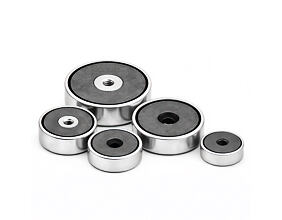
Magnet coatings are essential for protecting them against corrosion, abrasion, moisture and chemicals. Check our overview of surface finishes to help you choose the right magnets. Also take a look at the BH curves of neodymium magnets and physical properties of magnets.
| Surface treatment | Interior | Resistance to abrasion |
Water resistance | Salt spray / marine environment |
Suitability for bonding |
Layer thickness |
Price |
|---|---|---|---|---|---|---|---|
| Nickel (Ni-Cu-Ni) | ★★★ | ★★ | ★ | ★ | ★★★ | 10–20 μm | ★★ |
| Black / coloured nickel | ★★★ | ★ | ★ | ★ | ★★ | 15–25 μm | ★★ |
| Zinc (Zn) | ★★★ | ★★ | ★ | ★ | ★★★ | 4–10 μm | ★★ |
| Gold (Ni-Cu-Ni-Au) | ★★★ | ★ | ★ | ★ | ★★★ | approx. 12 μm | ★★★ |
| Silver (Ni-Cu-Ni-Ag) | ★★★ | ★ | ★ | ★ | ★★★ | approx. 12 μm | ★★★ |
| Chrome (Ni-Cu-Ni-Cr) | ★★★ | ★ | ★ | ★ | ★★★ | approx. 15 μm | ★★★ |
| Copper (Ni-Cu) | ★★★ | ★ | ★ | ★ | ★★★ | approx. 10 μm | ★★★ |
| Phosphorescent layer | ★★★ | ★ | ★ | ★ | ★★ | approx. 100–300 μm | ★★★ |
| Passivation (phosphate) | ★ | ★ | × | × | ★★★ | 1–10 μm | ★ |
| PTFE (Teflon) | ★★★ | ★★★ | ★★★ | ★★★ | ★ | 12–25 μm | ★★★ |
| Epoxy | ★★★ | ★ | ★★★ | ★★★ | ★★★ | 10–25 μm | ★★★ |
| PP Plastic | ★★★ | ★★★ | ★★★ | ★★★ | ★ | 0.25–1 mm | ★★★ |
| ABS Plastic | ★★★ | ★★★ | ★★★ | ★★★ | ★★ | 0.25–1 mm | ★★★ |
| Rubber | ★★★ | ★★★ | ★★★ | ★★★ | ★★ | 0.5–1 mm | ★★★ |
| Everlube® 6155 | ★★★ | ★★★ | ★★★ | ★★★ | ★ | 8–25 μm | ★★★ |
| Uncoated ferrite magnets | ★★★ | ★★★ | ★★★ | ★★★ | ★★★ | 0 μm | ★ |
Description of Magnet Surface Treatments
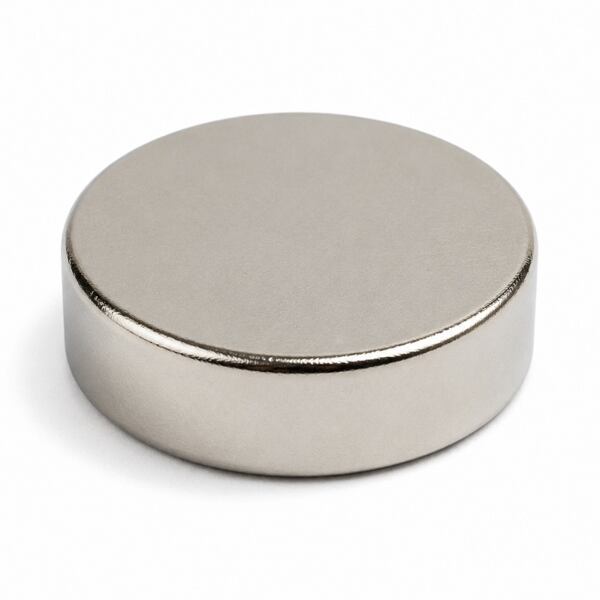
Nickel (Ni-Cu-Ni)
The most common surface treatment for neodymium magnets, offering a good balance of price and durability for indoor use.
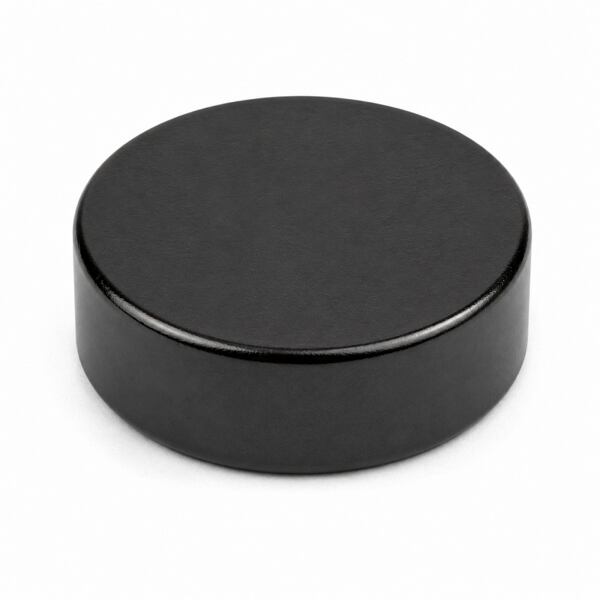
Black / coloured nickel (Ni-Cu-Ni)
A colour variant of the nickel surface finish with an attractive appearance, but lower top layer durability.
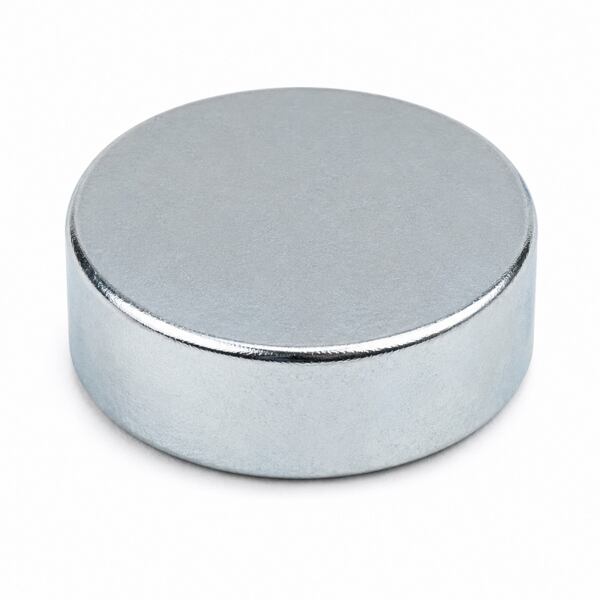
Zinc (Zn)
An affordable single-layer salt-spray resistant coating that creates an additional protective layer during corrosion.
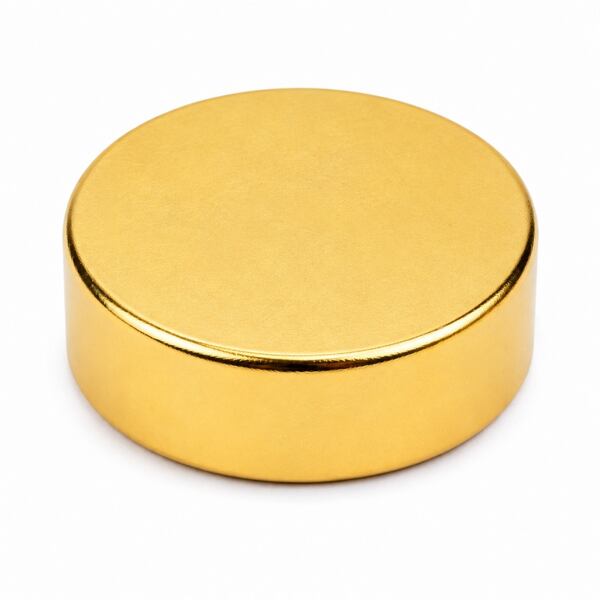
Gold (Ni-Cu-Ni-Au)
Decorative surface finish with a luxurious gold appearance, primarily suitable for magnets subject to less stress.
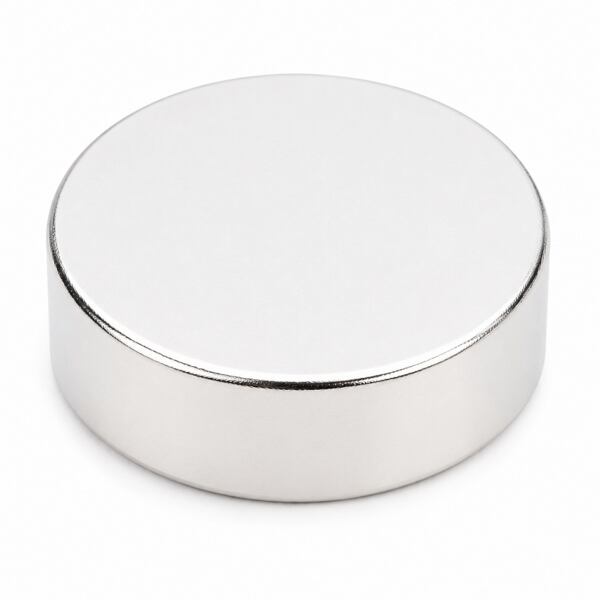
Silver (Ni-Cu-Ni-Ag)
Decorative surface finish with a glossy silver appearance, designed for less stressed magnets.
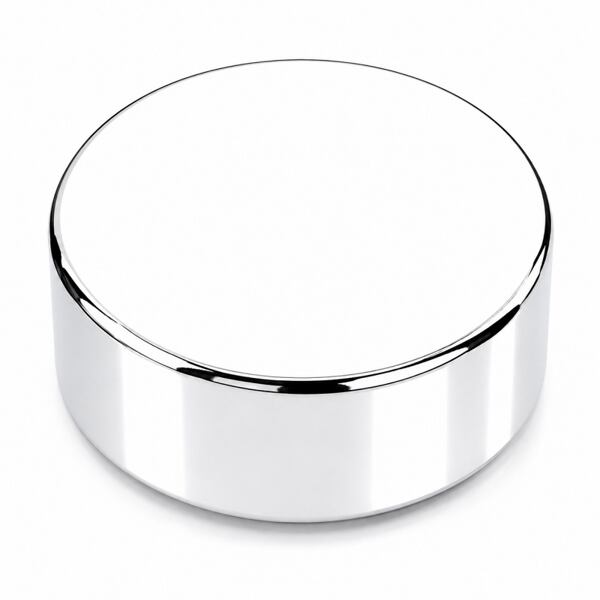
Chrome (Ni-Cu-Ni-Cr)
Chrome plating gives the magnet a shiny metallic appearance and reduces friction, which is why it is used, for example, in magnetic fasteners.
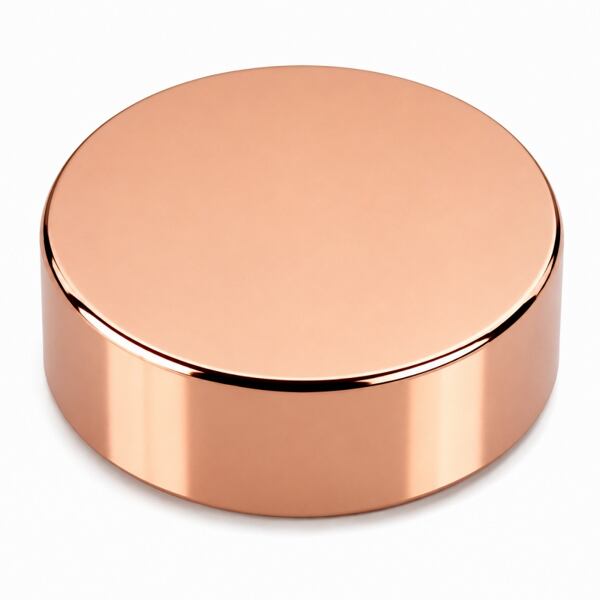
Copper (Ni-Cu)
The decorative copper layer gives the magnets their characteristic colour, but it may oxidise and change shade over time.
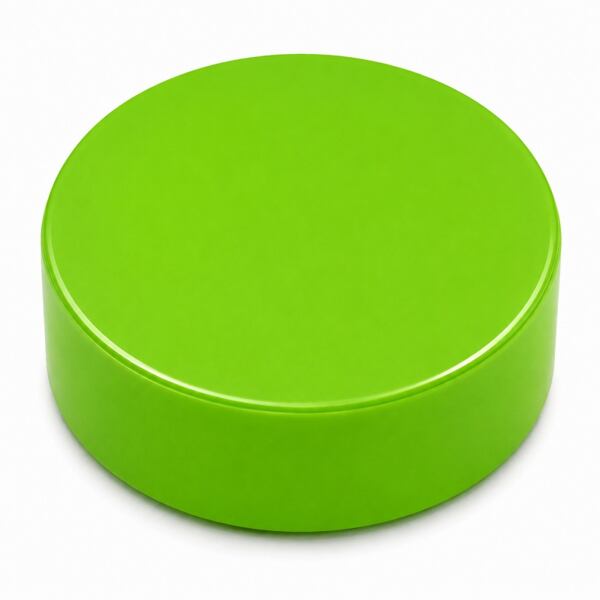
Phosphorescent layer
Special decorative finish that glows gently in the dark after exposure to light.
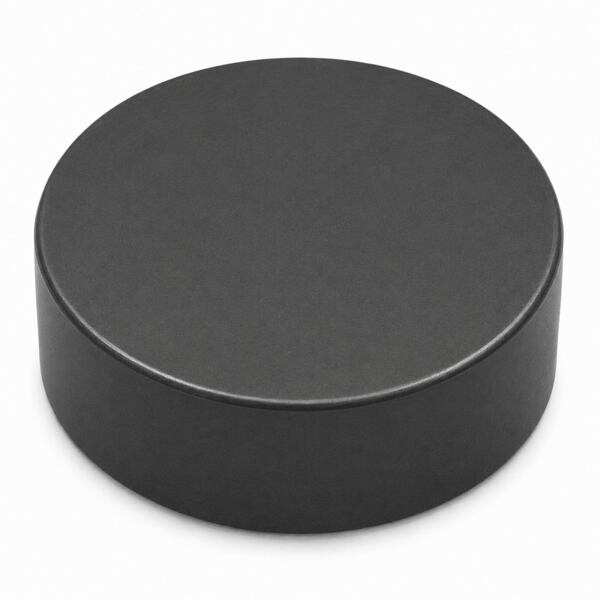
Passivation (phosphate)
Phosphate coating provides only temporary protection and is used, for example, during production processes.
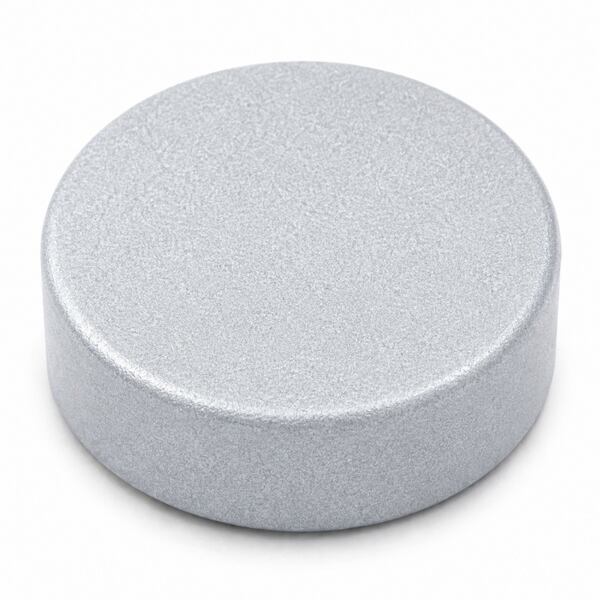
PTFE (Teflon)
Highly durable surface finish with high resistance to moisture and abrasion, suitable for outdoor use.
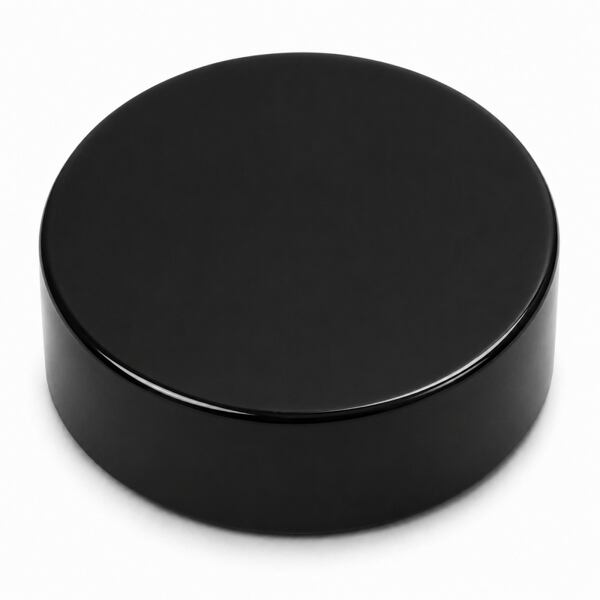
Epoxy
The epoxy layer provides good protection against water and corrosion in outdoor environments, provided it remains intact.
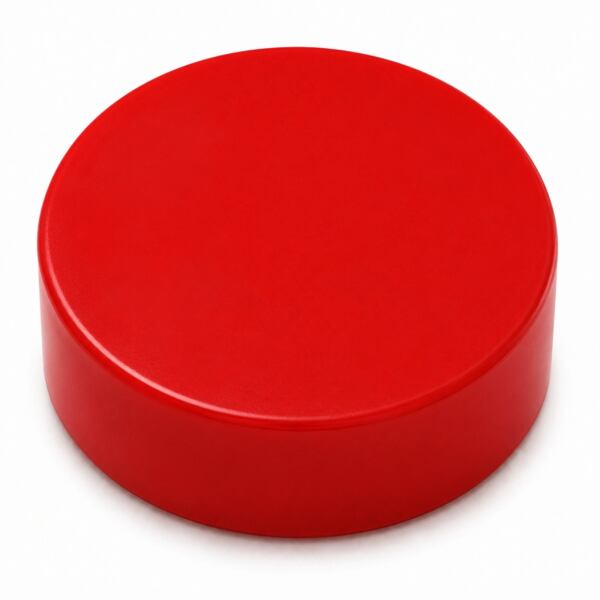
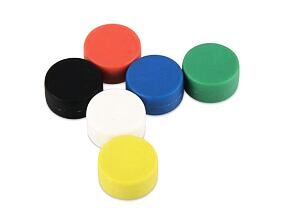
PP Plastic
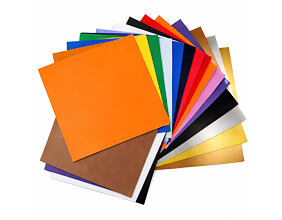
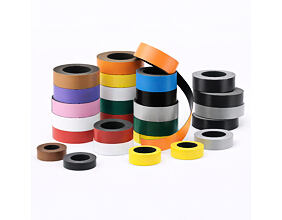
Plastic polypropylene (PP) casing in various colours is among the most durable finishes, ensuring very good protection against water, corrosion and scratching.
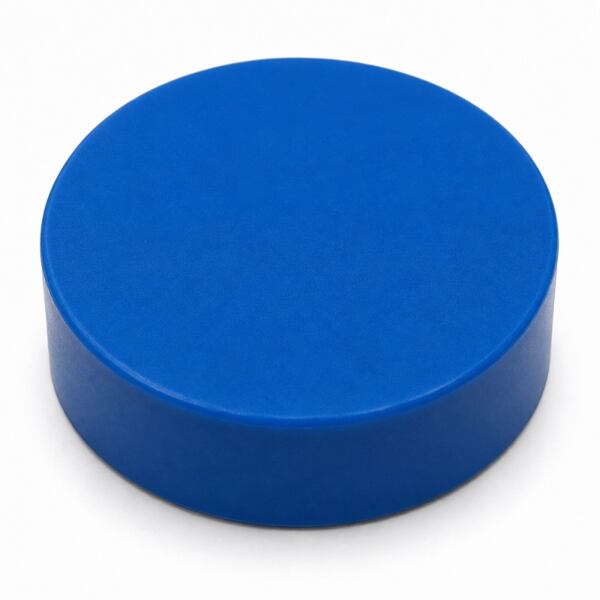
ABS Plastic
Plastic housing in various colours made of acrylonitrile butadiene styrene (ABS) provides very good protection against water, corrosion and scratches, making it suitable for more demanding conditions.
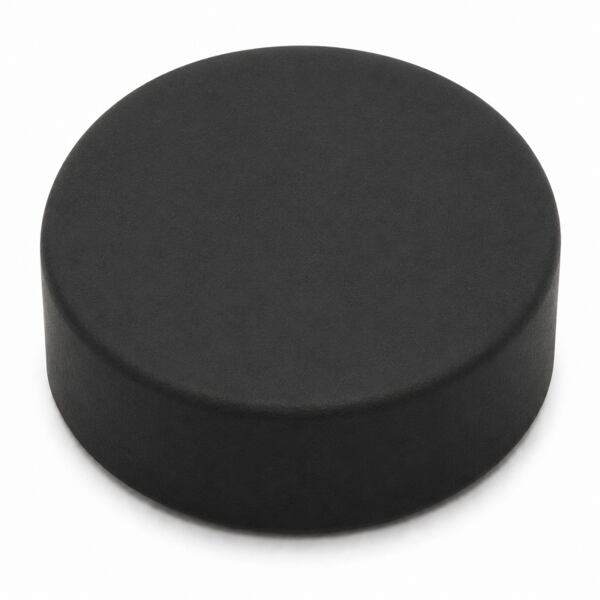
Rubber
The rubber layer protects the magnet from water, corrosion and mechanical damage, while simultaneously increasing friction on the surface.
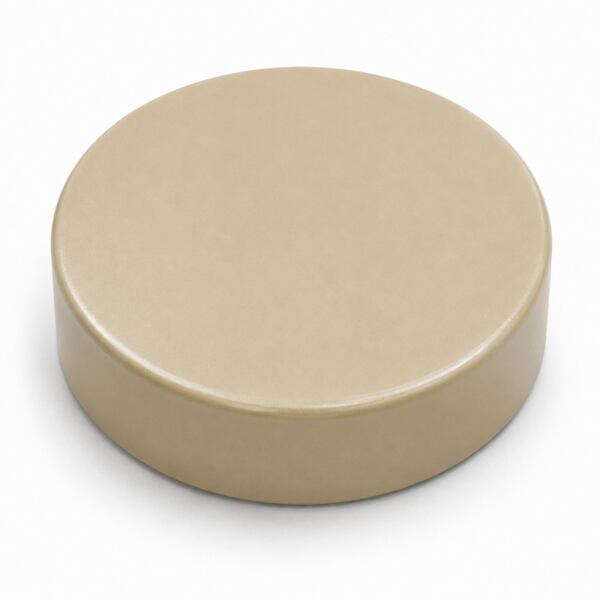
Everlube® 6155
Highly resistant protective layer with high hardness and resistance to corrosion, chemicals and salt spray.
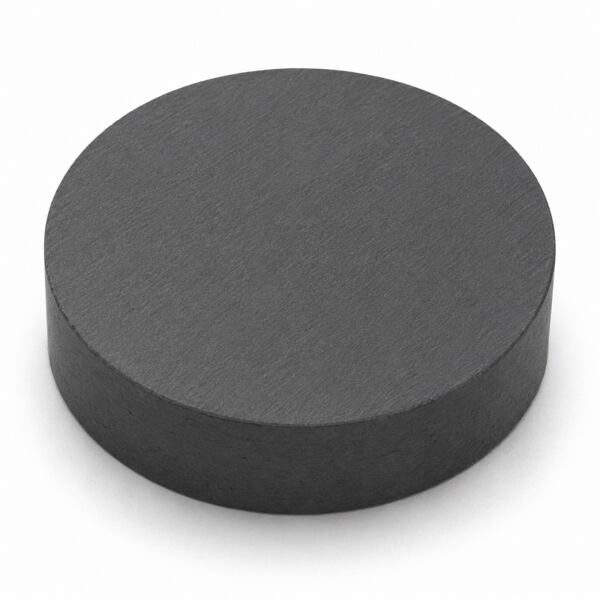
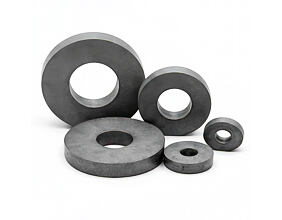
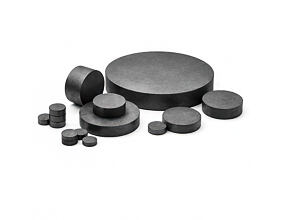
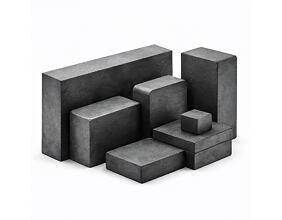
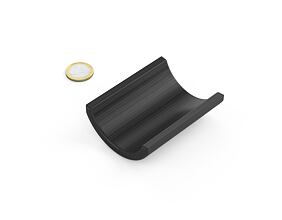
Unprocessed Ferrite Magnets
Ferrite magnets usually do not require a surface treatment and are naturally corrosion resistant.